the upper room
Home > the upper room
the upper room
Faith takes god at his word
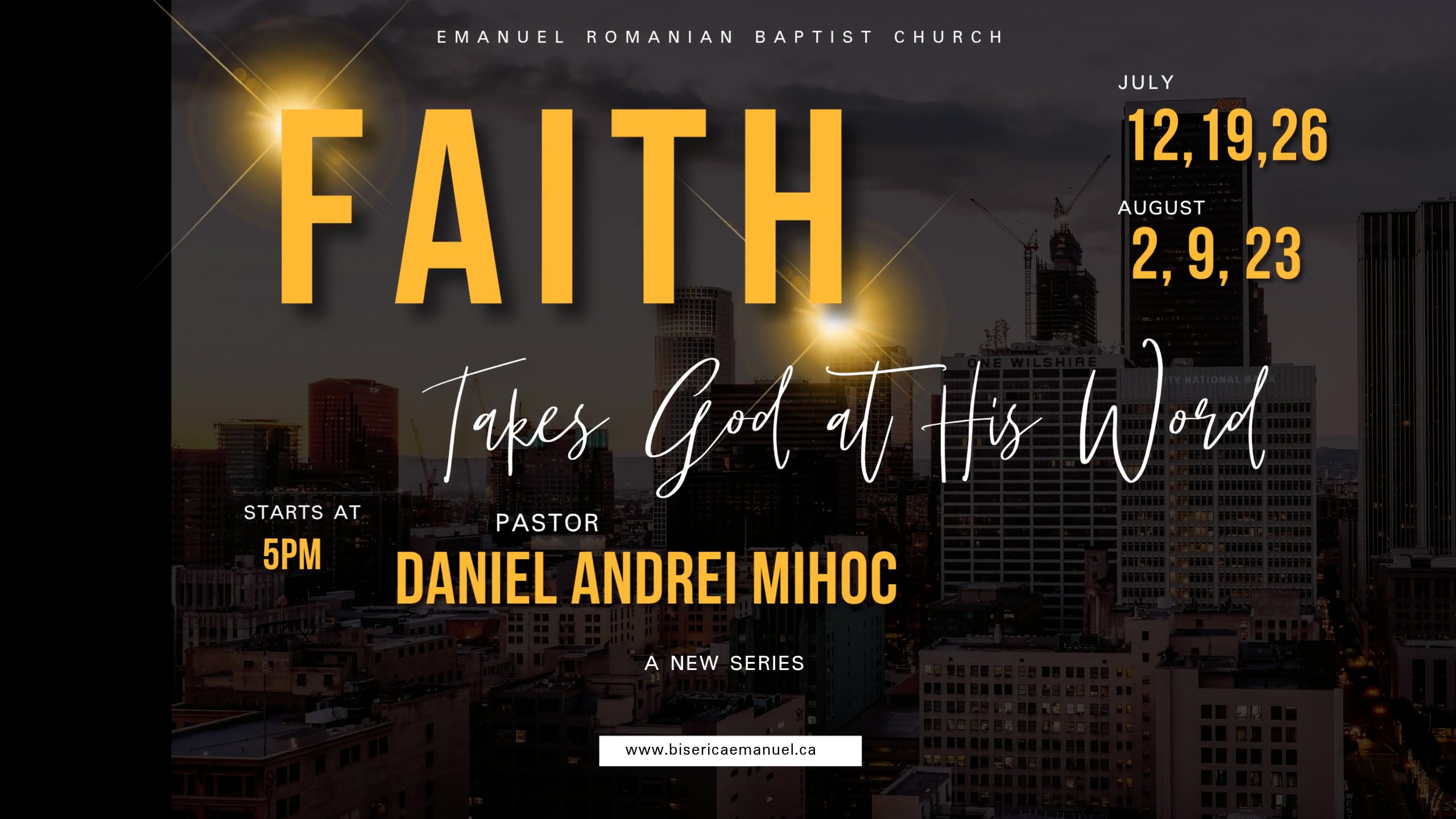
Lessons from the life of Abraham:
July 12 - The Call of Faith
July 19 - The Test of Faith: Adversity
July 26 - The Test of Faith: Prosperity
August 2 - The Assurance of Faith
August 9 - Faith's Foundation: God's Faithfulness Proclaimed
August 23 - Faith's Foundation: God's Faithfulness Proven
The Upper Room holds a unique place of reverence and significance. It is an iconic setting where pivotal events in early Christianity unfolded, shaping theological understandings and practices for generations. This space, often identified with a room in Jerusalem, is traditionally believed to be the site where Jesus shared his final meal with his disciples. The Upper Room thus becomes a symbol of fellowship, sacrifice, and divine instruction. It represents a place where divine presence and human experience intersect, fostering a sense of unity and purpose among the followers.